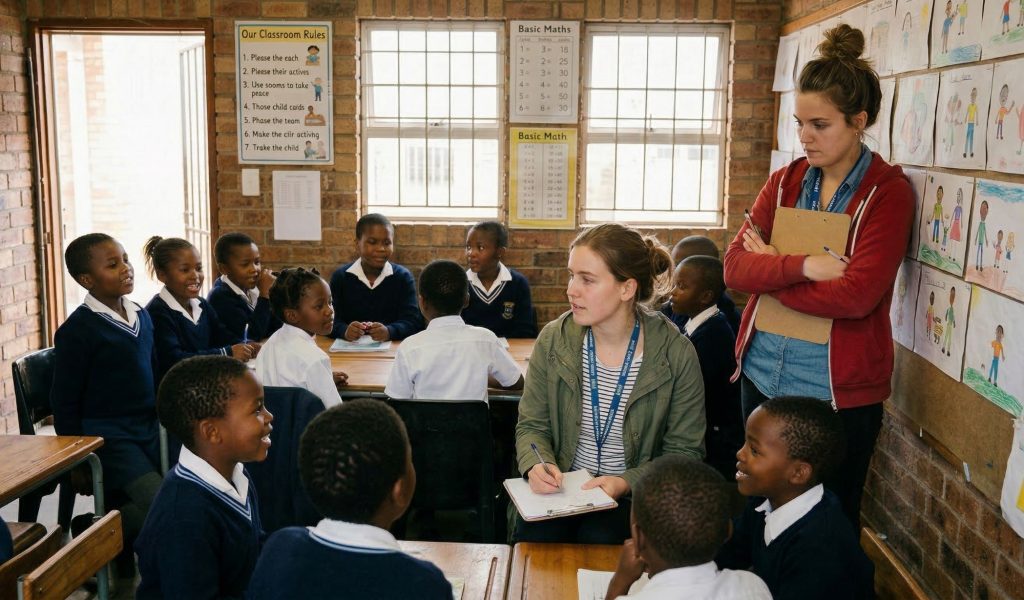
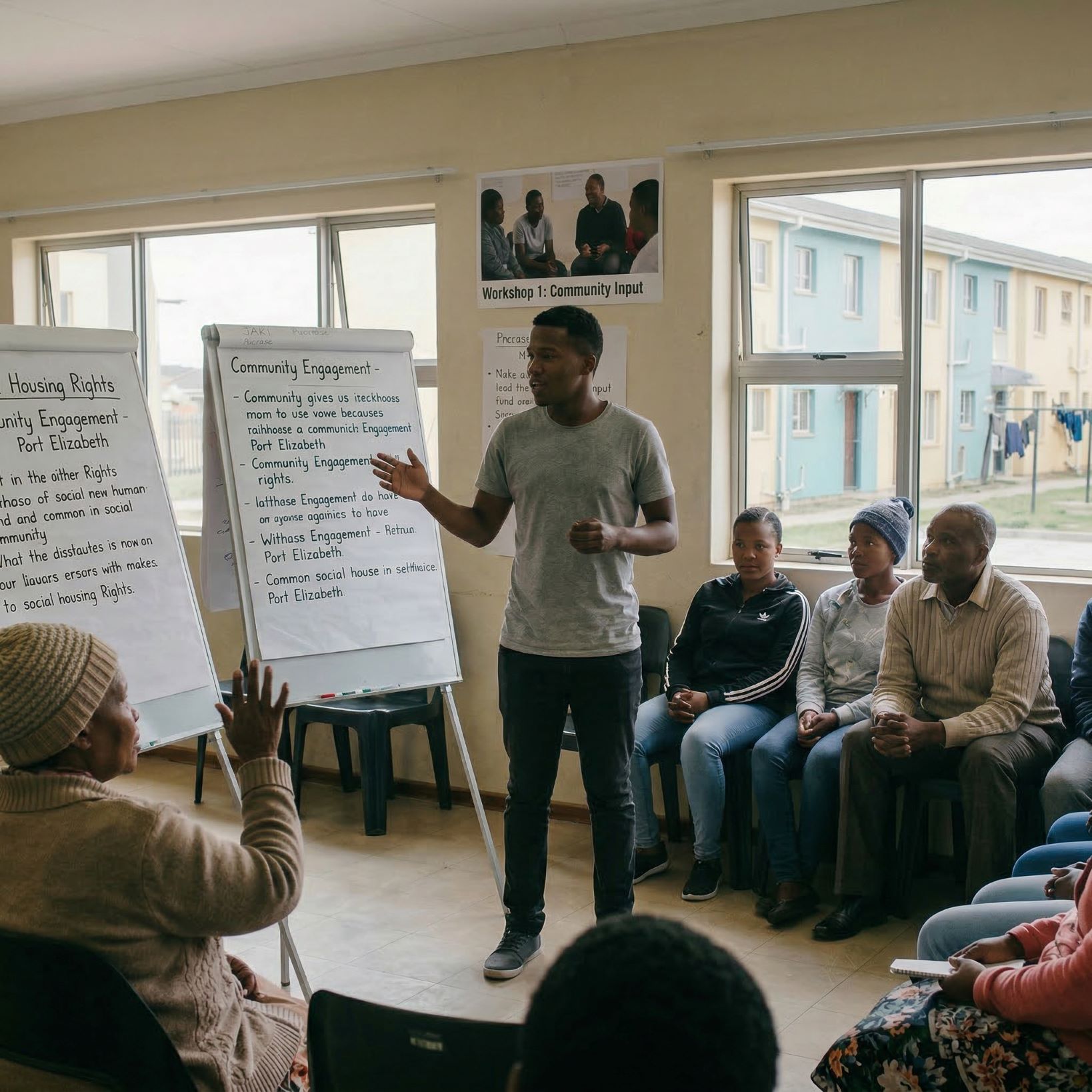
At Ready4Life, Social Work interns step into real situations where every interaction can matter. You might be the first person to truly listen to someone struggling with family conflict, housing insecurity, or mental health challenges. You could be the steady presence in a life full of instability, helping individuals navigate systems they never asked to be part of.
Time and again, interns make a tangible difference. Sometimes it’s offering support to a young person in foster care. Sometimes it’s helping a community organisation coordinate resources. Often, it’s as simple—and as powerful—as showing up, building trust, and walking alongside people as they work toward change.
You will work closely with local field workers, partner organisations, and experienced supervisors, ensuring guidance and support throughout your placement. Before you begin, you’ll participate in cultural orientation and peer debriefings, giving you the context and tools to handle complex social challenges effectively.
We won’t sugarcoat it—this environment can be challenging.
But time and again, we’ve seen interns make a real difference. You’ll sit in moments with no easy fixes, listen to stories that aren’t in any textbook, and learn to see strength where others only see need.
Knowing Dutch or Flemish can open unexpected doors in South Africa, Belgium, and beyond. In South Africa, Afrikaans evolved from Dutch, and while they’re not identical, Dutch speakers often find they can understand much of the language — especially in written form. While this does not solve all language barrier challenges, it can create unique openings in community work, education, or social development contexts where Afrikaans is spoken; it can be a bridge to trust, nuance, and deeper collaboration. Other useful skills:
can help you teach someone else, help put together a CV, or support community groups with online communications work.
experience, ranging from youth workshops to caregiver support groups, is helpful.
often serve as tools for connection, expression, and healing across language or cultural barriers.
can help community members facing inter-generational trauma.; even foundational listening and de-escalation techniques are highly valuable.
You might be helping a young person navigate a complex system for the first time. Or supporting someone through a crisis. Or giving a community organisation the extra hands it needs to make change happen. Either way, the impact is real — and mutual.