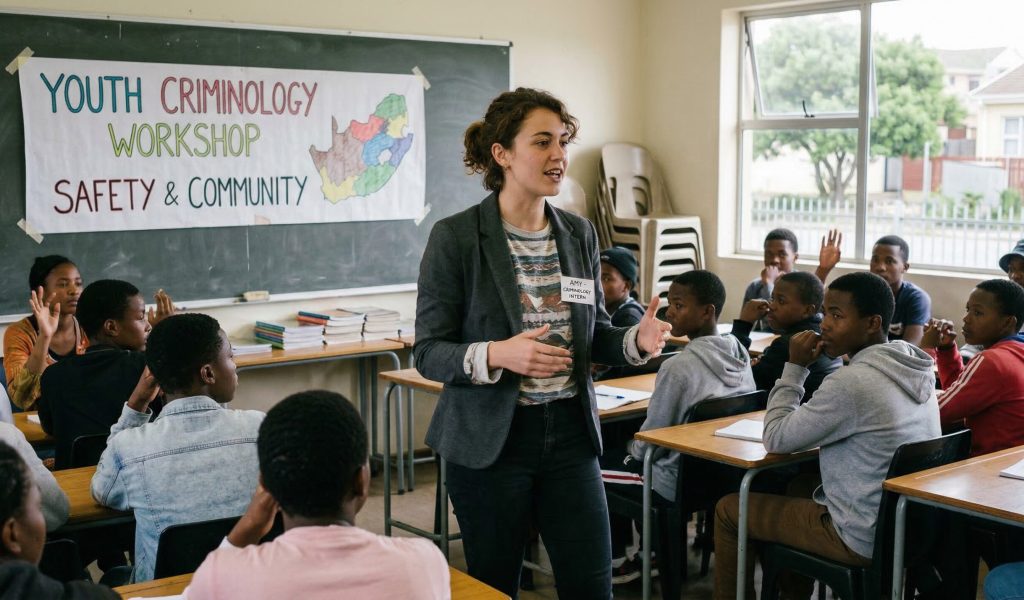
Social systems don’t shift on their own—they move because people do, one story, one case, one conversation at a time. As a Social Work or Criminology intern, you’ll support people navigating tough realities and help build safer, more just communities. You’ll learn to listen closely, act wisely, and think systemically. From street-level interactions to structural change, you’ll see the link between individual lives and broader institutions—and the important role you play in it.
Time and again, interns make a tangible impact.
You might be helping someone feel safe disclosing their story for the first time. Or supporting them through a justice process they barely trust. Or unpacking how poverty, stigma, and policy collide in a single case file. Or simply being the one consistent adult in a chaotic system. Either way, the impact is real — and it goes both ways.
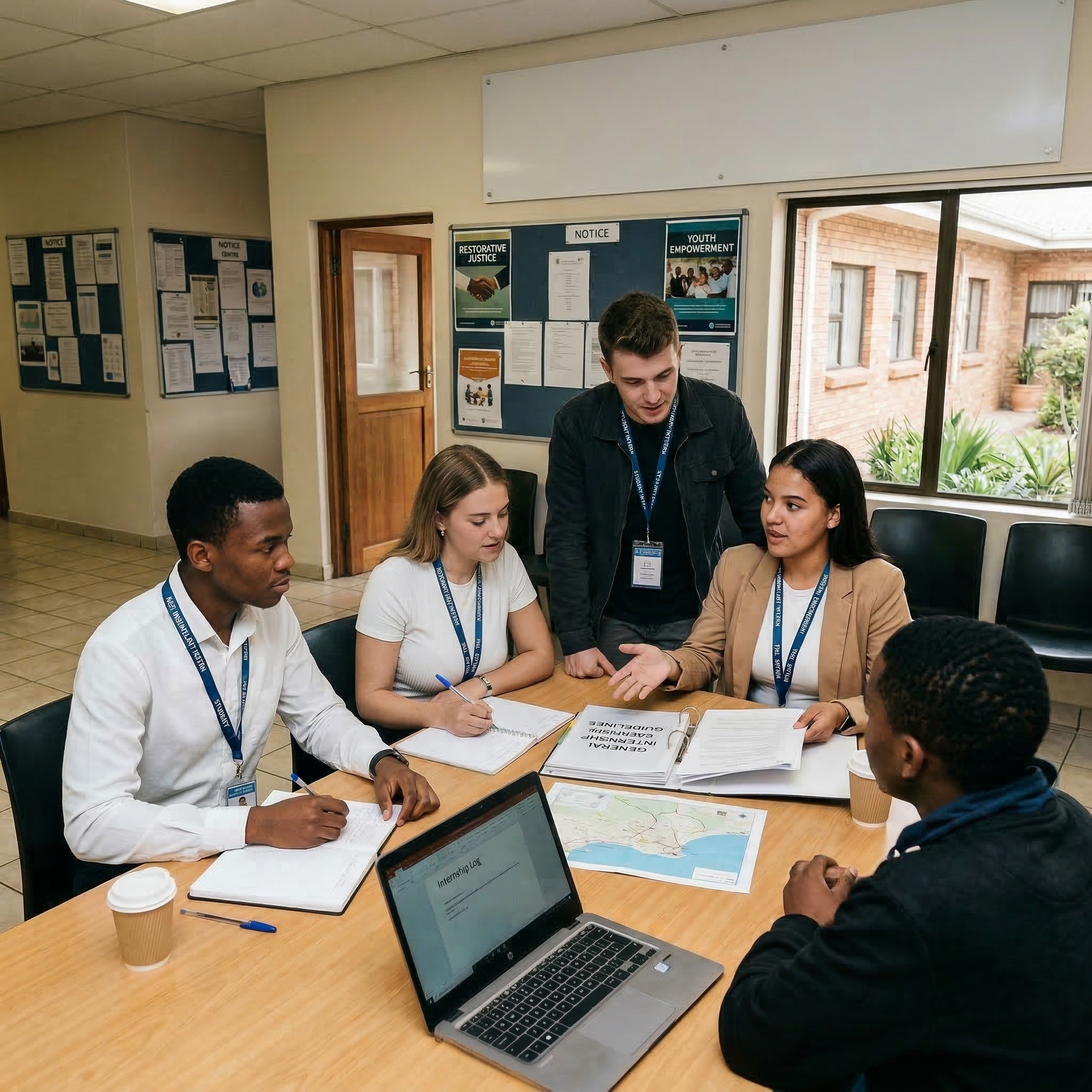
You will work closely with local field workers, partner organisations, and experienced supervisors, ensuring guidance and support throughout your placement. Before you begin, you’ll participate in cultural orientation and peer debriefings, giving you the context and tools to navigate complex social challenges effectively.
We won’t sugarcoat it—this environment can be challenging.
But time and again, we’ve seen interns make a real difference. You’ll sit in moments with no easy fixes, listen to stories that aren’t in any textbook, and learn to see strength where others only see need.
Knowing Dutch or Flemish can open unexpected doors in South Africa, Belgium, and beyond. In South Africa, Afrikaans evolved from Dutch, and while they’re not identical, Dutch speakers often find they can understand much of the language — especially in written form. While this does not solve all language barrier challenges, it can create unique openings in community work, education, or social development contexts where Afrikaans is spoken; it can be a bridge to trust, nuance, and deeper collaboration. Other useful skills:
helps with prioritising healing over punishment and help communities rebuild after harm.
helps with recognising that lived experience shapes behaviour — and how safe relationships can change everything.
laws, power and public narratives shape the lives of communities and individuals.
requires understanding how pollution, access to green spaces (or lack thereof) and climate-related risks often deepen existing inequalities.
You might be helping a young person navigate a complex system for the first time. Or supporting someone through a crisis. Or giving a community organisation the extra hands it needs to make change happen. Either way, the impact is real — and mutual.