When the world locked down, healthcare workers showed up in hospitals, homes, and makeshift clinics. They held hands when families couldn’t, made impossible choices, and kept systems from collapsing. They reminded us what it means to care when it’s hardest.
It’s tempting to think that was a one-off. But many of the root drivers behind that crisis—overburdened systems, inequality, under-resourced communities—are still at play in the places where Ready4Life works. The difference? These communities face those challenges with resourcefulness, resilience, and a kind of grit that can’t be taught in lecture halls. In the places Ready4Life works, the health system isn’t always something you visit; often, it’s something you help build.
If you’re studying a health-related discipline, this is your invitation to step into a different kind of learning environment: one where your clinical instincts will grow, but so will your humanity. One where you might do less diagnosing and more listening. Less charting, more connecting. Less “What’s the problem?” and more “How can I help?”
We won’t sugarcoat it—this environment can be challenging.
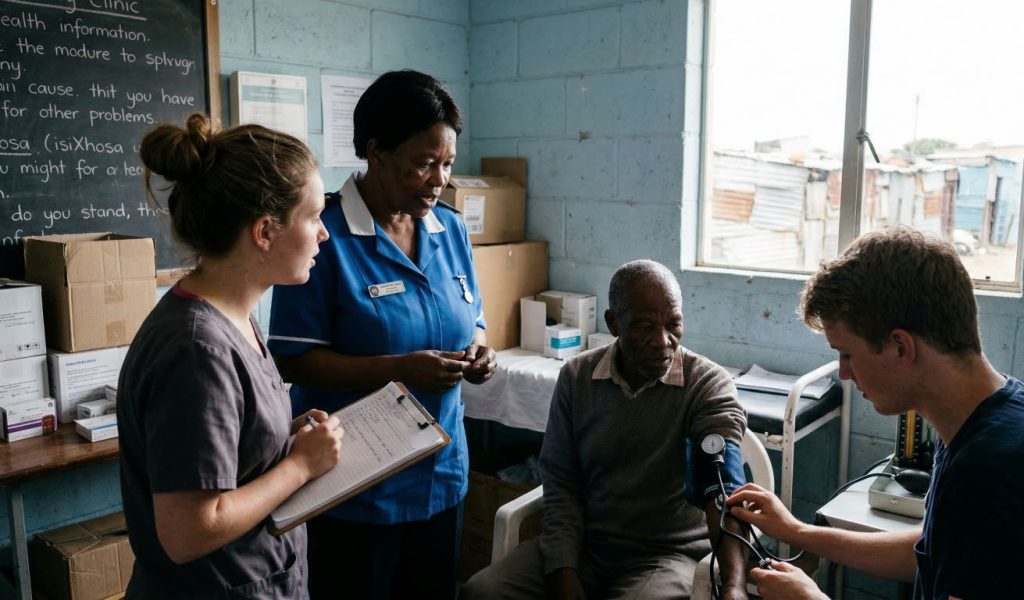
But time and again, we’ve seen interns make a real difference. You’ll sit in moments with no easy fixes, listen to stories that aren’t in any textbook, and learn to see strength where others only see need.
Knowing Dutch or Flemish can open unexpected doors in South Africa, Belgium, and beyond. In South Africa, Afrikaans evolved from Dutch, and while they’re not identical, Dutch speakers often find they can understand much of the language — especially in written form. While this does not solve all language barrier challenges, it can create unique openings in community work, health assessments, or social development contexts where Afrikaans is spoken; it can be a bridge to trust, nuance, and deeper collaboration. Interdisciplinary insights that matter here:
If you understand the importance of balanced diets, ways to support feeding programs, and helping families make the most of available resources, you will make a great difference.
Music, movement, storytelling, and crafts aren’t just fun — they can be healing. Share what you know!
Many people carry unseen burdens. This is especially true of children. Learn to spot signs of distress, build trust, and be a calm, consistent presence.
Health is also about clean air, safe water, and nutritious food. Exchange knowledge with people who connect the dots between human health and the environment.
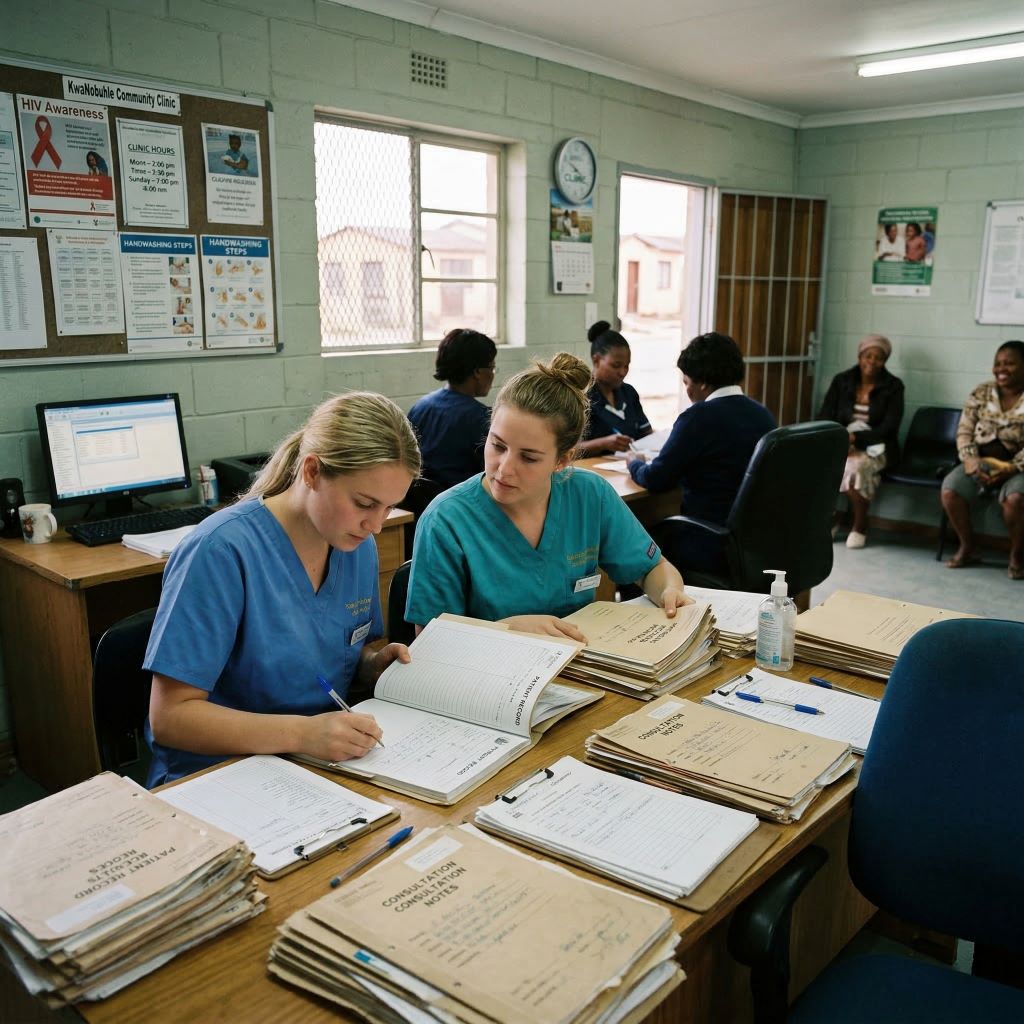
You might be helping a patient understand their care for the first time. Or supporting someone through a health crisis. Or giving a clinic or community health team the extra hands it needs to provide care. Either way, the impact is real — and mutual.