This isn’t just an internship—it’s where you become the teacher
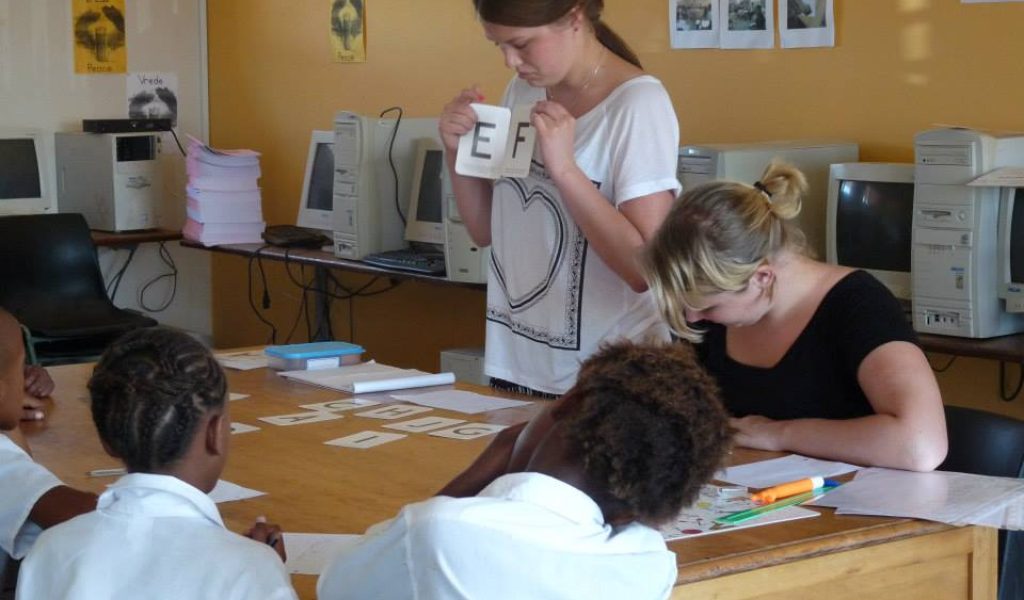
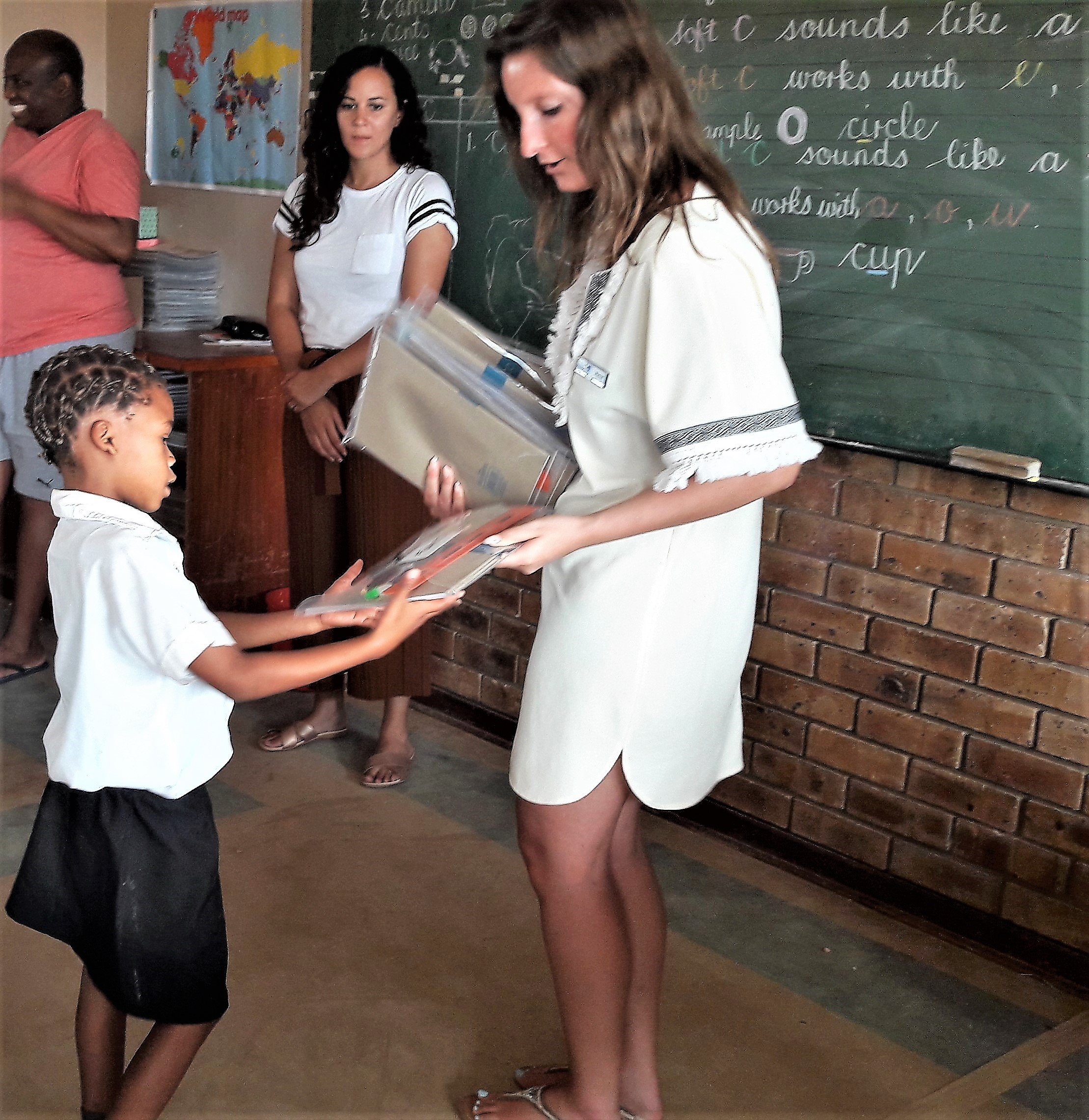
As an organisation placing interns across South Africa, we don’t usually have a favourite field—but teaching is different.
There’s something about future teachers: the way they notice what others miss—a child’s hesitation, a breakthrough, a hidden talent. Teaching here goes beyond lesson plans. It’s about presence, care, and real human connection.
This is your opportunity to step into that role early and discover the kind of teacher you can become—where it matters most.
We won’t sugarcoat it—this environment can be challenging.
But time and again, we’ve seen interns make a real difference. Sometimes it’s helping a child hold a pencil for the first time. Sometimes it’s building confidence, trust, or simply being present.
Afrikaans, one of South Africa’s national languages, shares roots with Dutch. Many interns find it easier to connect with students and follow classroom interactions.
And don’t underestimate the power of your “non-teaching” skills. Not every school will let you lean into these hobbies, and not every school will have the resources on hand, but the following are big hits here. Our schools thrive on creativity and connection just as much as they do on curriculum.
can enhance the learning experience by boosting student engagement, improving memory, and promoting emotional well-being. It can be used to teach various subjects, from language and math to history and science.
foster creativity, problem-solving, and fine motor skills, while also promoting self-expression and emotional regulation. Engaging in hands-on art projects allows students to explore concepts in a tactile and engaging way.
provide opportunities for students to develop critical thinking, problem-solving, and social skills. They can also connect literacy and numeracy to experience.
can strengthen responsibility, patience, and environmental awareness. It provides a real-world context for understanding ecosystems and sustainable food systems.
You might be helping someone hold a pencil correctly for the first time. Or explaining fractions. Or running a reading circle under a tree. Or giving a child the only one-on-one attention they’ve had in months. Either way, the impact is real — and mutual.